Sponsored article
How Do Cup Shape and Teapot Capacity Affect Aroma, Temperature and the Drinking Experience?
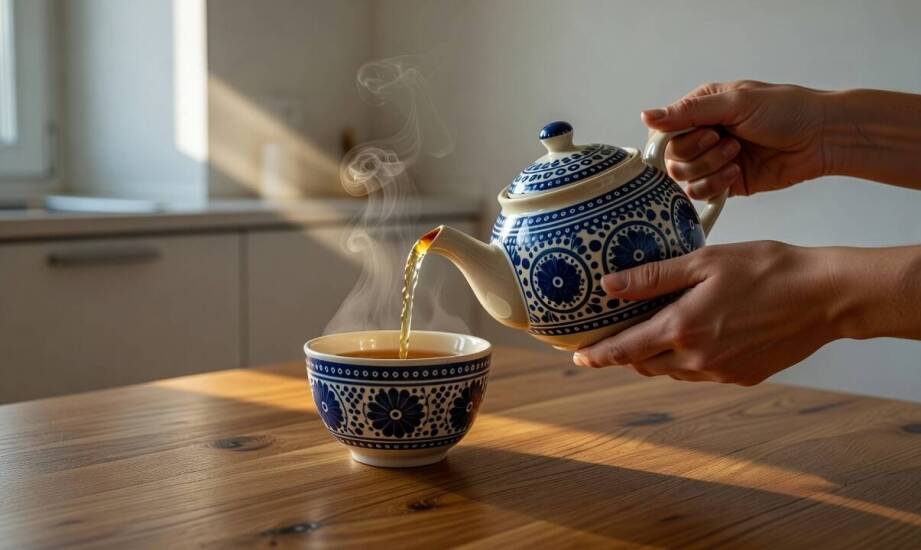
- How Does Teapot Capacity Affect the Cooling of Tea?
- Does Stoneware Help Keep a Drink Warm?
- How Does Cup Shape Affect Aroma?
- How Do Shape and Capacity Affect Everyday Use?
- Can the Vessel Change the Taste of Tea or Coffee?
- How Do You Choose the Right Teapot and Cup?
- FAQ
- Does a Larger Teapot Keep Tea Warm for Longer?
- Why Should You Preheat a Teapot?
- Does Cup Shape Really Affect Coffee and Tea Aroma?
- What Teapot Capacity Is Best for Everyday Use?
- Does Stoneware Keep Drinks Warmer Than Porcelain?
- Does a Wide Cup Cool a Drink Faster?
- What Should You Look for When Choosing a Teapot?
Brewing and serving the same tea in a small teapot and a larger one can create a noticeably different experience. The ingredients may be identical, but the volume of liquid, the temperature of the vessel and the rate at which heat is lost all influence how the drink develops and how quickly it becomes ready to drink.
Read more: Ceramic mugs with unique patterns – discover our collection
Cup shape matters as well. The opening, height and proportions of the vessel can affect how aromas reach the nose and how quickly a hot drink cools.
Read more: How ceramic mugs can enrich your pottery collection?
Choosing the right teapot and cup is therefore not only a matter of appearance. Their shape and capacity influence the practical rhythm of serving and drinking.
Read more: The impact of printing quality on ashtray durability and aesthetics
How Does Teapot Capacity Affect the Cooling of Tea?
Bolesławiec stoneware is made as relatively substantial ceramic tableware, and the material itself absorbs heat when hot water is poured into it.
This is why preheating a teapot before brewing can be useful. Rinsing the inside with hot water warms the ceramic walls, reducing the amount of heat they initially take from the freshly prepared infusion.
The final temperature still depends on several factors, including:
the amount of liquid;
the starting temperature of the teapot;
wall thickness and mass;
the surface area exposed to air;
whether the lid remains closed;
room temperature.
All other factors being similar, a larger volume of hot liquid usually cools more slowly than a small serving because it contains more thermal energy relative to its exposed surface.
A lid also helps reduce heat loss by limiting air movement and evaporation from the surface of the drink.
This makes a larger teapot practical for longer breakfasts or gatherings where several cups will be poured over time.
A smaller pot can work better when tea is intended to be prepared and consumed relatively quickly.
Does Stoneware Help Keep a Drink Warm?
Stoneware can act as a thermal buffer because the ceramic body itself absorbs and stores heat.
However, this does not mean that every stoneware vessel will automatically keep a drink warmer for longer than every porcelain cup.
The result depends heavily on the actual design of the vessel.
A thick, relatively heavy stoneware mug usually behaves differently from a very thin porcelain cup, but two similarly sized vessels may perform differently depending on their mass, shape and wall thickness.
For this reason, it is more useful to consider the construction of the individual cup or teapot rather than the material name alone.
How Does Cup Shape Affect Aroma?
The shape of a drinking vessel can influence how we experience coffee and tea.
A wider opening exposes a larger area of the drink to the surrounding air, which can increase heat loss and allow volatile aromatic compounds to disperse more freely.
A more enclosed or tapered shape can keep aromas concentrated closer to the nose while drinking.
Research on specialty coffee has also shown that cup shape can change the way drinkers perceive aroma and flavour. Different shapes have produced differences in ratings of aroma intensity, sweetness and acidity even when the coffee itself remained the same.
This means that cup shape affects not only cooling but also the sensory experience of the drink.
The effect should not be reduced to a simple rule that one shape is always better. A wide cup, a rounded Belly Cup and a taller mug can each create a slightly different drinking experience.
How Do Shape and Capacity Affect Everyday Use?
Practicality remains just as important as sensory perception.
A larger teapot is useful when tea is served to several people or when the drink is expected to remain on the table for some time.
A smaller teapot can be more convenient for one person or for teas that are brewed in smaller batches.
The same principle applies to cups.
A larger mug encourages a slower, longer drink, while a smaller cup naturally divides the beverage into shorter servings.
Handles, balance and rim shape also influence comfort. A well-designed handle should provide a secure grip even when the vessel is full, while the lip should allow comfortable drinking without making the cup unnecessarily heavy.
Manufaktura in Bolesławiec produces teapots, ceramic cups and mugs in different shapes and capacities, allowing the vessel to be selected according to the way the drink will actually be served.
Can the Vessel Change the Taste of Tea or Coffee?
The vessel does not change the ingredients of the drink, but it can change the conditions in which we experience them.
Temperature strongly affects sensory perception, and the vessel influences how quickly the beverage reaches a comfortable drinking temperature.
Cup shape can also influence how aromas are delivered to the nose.
In tea, the brewing process itself remains dependent primarily on factors such as:
water temperature;
brewing time;
tea-to-water ratio;
type of tea.
The teapot should therefore support these conditions rather than be treated as the main factor determining extraction.
Preheating the pot can help maintain the intended brewing temperature, while choosing the right capacity helps avoid preparing much more tea than will actually be consumed.
How Do You Choose the Right Teapot and Cup?
Start with the way you normally drink tea or coffee.
For one or two people, a smaller teapot may be more convenient because it allows the drink to be prepared in quantities that can be consumed relatively quickly.
For family breakfasts or longer gatherings, a larger model reduces the need for repeated brewing.
When choosing a cup, consider:
capacity;
opening width;
wall thickness;
handle comfort;
overall weight and balance.
A wider cup may allow the drink to cool more quickly, while a more enclosed shape can help retain heat and concentrate aromas around the rim.
There is therefore no single ideal shape for every drinker. The best choice depends on whether the priority is slower cooling, stronger aromatic perception, larger servings or simply the comfort of everyday use.
FAQ
Does a Larger Teapot Keep Tea Warm for Longer?
Often yes, when comparing similarly constructed vessels. A larger amount of hot liquid generally cools more slowly, although wall thickness, lid design and room temperature also influence heat loss.
Why Should You Preheat a Teapot?
A cold ceramic teapot absorbs some heat from freshly added water. Preheating the vessel reduces this initial temperature drop and helps maintain more consistent brewing conditions.
Does Cup Shape Really Affect Coffee and Tea Aroma?
Yes. Vessel shape can affect how aromas are perceived. Research on specialty coffee has shown measurable differences in perceived aroma and flavour between different cup shapes.
What Teapot Capacity Is Best for Everyday Use?
It depends mainly on the number of people and how quickly the tea will be consumed. Smaller teapots suit individual or short servings, while larger models are more convenient when several cups need to be served.
Does Stoneware Keep Drinks Warmer Than Porcelain?
Not automatically. Stoneware is often thicker and heavier, which can affect heat retention, but the result depends on the dimensions, mass and design of the individual vessel.
Does a Wide Cup Cool a Drink Faster?
A wider exposed surface can increase heat loss, so drinks in broad, open cups may cool faster than in more enclosed shapes under otherwise similar conditions.
What Should You Look for When Choosing a Teapot?
Consider capacity, wall thickness, lid fit, handle comfort, balance and the way the teapot will be used. A practical teapot should support comfortable pouring and suit the amount of tea normally prepared.
You might be interested

How ceramic mugs can enrich your pottery collection?
Handmade ceramics with unique patterns are gaining popularity among fans of applied art. Ceramic mugs, as part of this tradition, offer not only functionality but also aesthetics. This article explores how these mugs enhance a pottery collection, combining tradition with modern style.Read more: Cera
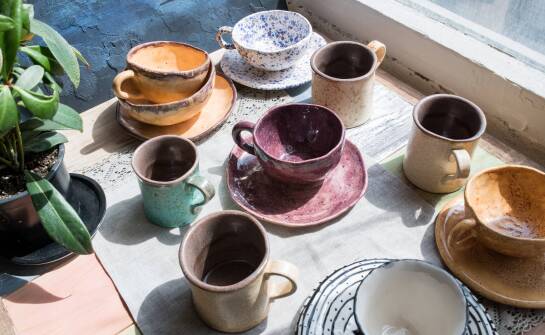
Ceramic mugs with unique patterns – discover our collection
Ceramic mugs are not only practical vessels for everyday use, but also small works of art that can add charm to any interior. In the Manufaktura in Bolesławiec, unique, hand-painted wares are created that delight with distinctive patterns and high-quality craftsmanship. We invite you to explore our